

Planning a plant move and trying to pin down your machine relocation cost before you commit? There’s no flat rate for shifting industrial equipment, because a small bench press and a multi-tonne CNC lathe belong in completely different cost brackets.
What we can give you is a clear picture of what moves the number up or down, so you can budget properly and avoid surprises partway through the job.
Quick Answer
- Machine relocation cost in NZ typically ranges from a few hundred dollars for small, easily accessible equipment to $15,000+ for large, multi-stage industrial moves.
- The biggest cost drivers are machine size and weight, dismantle and reassembly complexity, site access, transport distance, and the amount of downtime you can tolerate.
- Insurance and specialist rigging are non-negotiable for anything over a few hundred kilograms.
- A site assessment is the only way to get an accurate quote.

What Drives Machine Relocation Cost?
Machine Size, Weight and Complexity
This is the starting point for any machine relocation cost estimate. A small bandsaw on castors is a different job entirely from a hydraulic press bolted to a concrete pad. Heavier machines need cranes, forklifts, or specialised rigging equipment, and that gear (plus the trained operators to run it) adds directly to the price.
Dismantle and Reassembly
Many industrial machines can’t simply be lifted and driven away. Electrical isolation, disconnecting hydraulics and pneumatics, and removing guarding or ancillary components all take engineering hours before the machine even leaves the building. On the other end, precise reassembly, reconnection, and recalibration take just as long (sometimes longer, if alignment and testing are involved).
Site Access
Tight doorways, mezzanine floors, stairs, or a lack of hardstanding for a crane truck all add time and labour. A ground-floor workshop with a roller door is straightforward. A machine on the third floor of an older building, or one that needs to cross uneven yard surfaces, is not.
Distance and Transport
Local shifts within the same industrial park cost less than a relocation between regions. Longer hauls mean more fuel, more driver hours, and potentially an overnight stop for the crew. Oversized or overweight loads may also require an overdimension or overweight permit through Waka Kotahi, which adds both cost and lead time to the job.
Downtime and Insurance
Reducing downtime during relocation is often the single biggest factor in the real cost of a move. Not the invoice from your relocation contractor, but the lost production while the machine is offline. Careful sequencing, having reconnection and testing planned in advance, and scheduling around your production calendar all help keep this to a minimum. Comprehensive insurance cover for the machine in transit is standard practice, and it should be confirmed before the job starts, not after something goes wrong.
How to Move Heavy Machinery Without Blowing the Budget
Knowing how to move heavy machinery cost-effectively comes down to preparation. A pre-move site survey, a documented disconnection and reconnection plan, and clear communication with your production team all reduce the risk of delays that push the price up mid-job.
Machinery Relocation Checklist
Before your next move, run through this machinery relocation checklist:
- Site survey completed at both the old and new location
- Access routes measured and confirmed (doorways, floor loading, overhead clearance)
- Disconnection plan documented for electrical, hydraulic and pneumatic systems
- Rigging and lifting equipment confirmed for the machine’s weight and dimensions
- Transport permits arranged if the load is overdimension or overweight
- Insurance cover confirmed for the machine in transit
- Reassembly, testing and calibration scheduled at the destination
Get an Accurate Machine Relocation Cost for Your Site
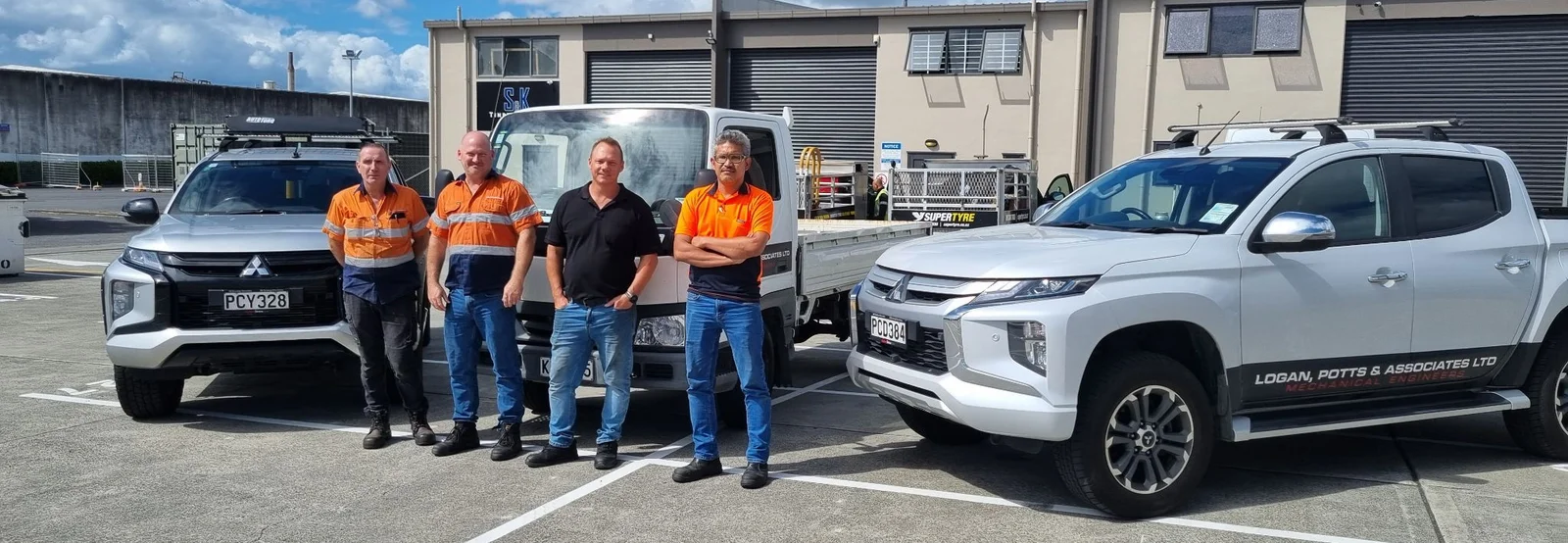
Every plant is different, and the only reliable way to know your machine relocation cost is a proper site assessment. Logan Potts & Associates handles the whole process in-house, from pre-move planning through to reconnection and testing, so nothing gets lost between contractors. If you’re planning a move, our machine relocation services team can walk your site and put together a straightforward quote.